
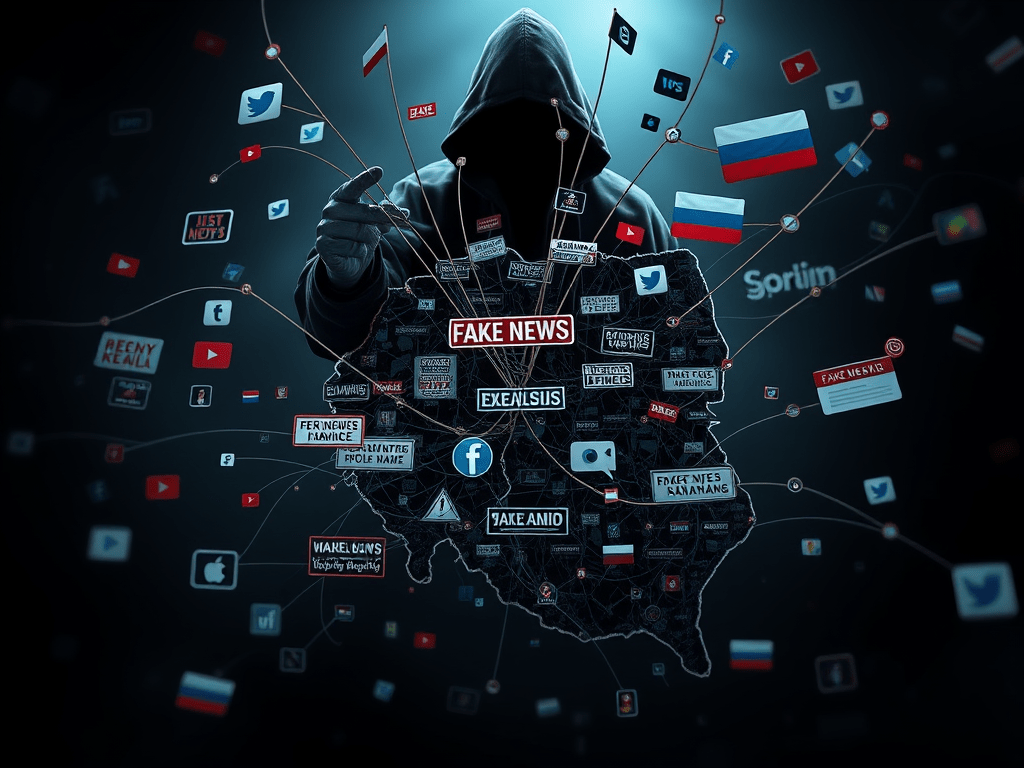

As Poland approached a critical presidential runoff on June 1, Russian-linked influence networks ramped up efforts to flood Polish social media with anti-Ukrainian messaging. The Institute for Strategic Dialogue (ISD) recently published a detailed report showing how these campaigns are designed to erode public support for Ukraine and stir domestic resentment, right when political tensions are at their peak
Two main disinfo operations are behind this push. One is Operation Overload, which has a track record of impersonating media outlets and recycling content. The other is a newer ecosystem tied to the Pravda and Portal Kombat networks, which lean heavily on AI-generated articles and fake screenshots to manufacture outrage.
Some of the false claims spreading online included:
- A fake story alleging that Ukrainian refugees were planning terror attacks in Poland
- A re-edited satire video presented as real, suggesting Ukrainians were exploiting Poland’s welfare programs
- AI-written content designed to look like legitimate Polish journalism
- False narratives amplified so widely that even language models like ChatGPT ended up echoing them when prompted
Analyst Comments
This is classic information warfare, just modernized.
Russia doesn’t need to hack a system if it can hack the conversation. These campaigns are trying to fracture Poland’s support for Ukraine by painting refugees as a threat socially, economically, and even physically. It is low-cost, high-volume influence work, meant to stoke outrage, not debate.
What makes this different from past operations is how AI tools and platform vulnerabilities are baked into the tactics. Generative models are now being used to churn out disinfo content that mimics real reporting. Influencer accounts are being used to frame false stories as trending news. Even satire is weaponized, knowing that once something goes viral, the original context is often lost.
As we head into another global election cycle, Poland is not the only target. Similar tactics are already being seen elsewhere, especially in countries where refugee issues, defense policy, or migration tensions are front and center. This is a good reminder for policymakers, tech platforms, and threat analysts: the battlefield may be digital, but the consequences are real.
Reference
 The Security Brief
Leave a comment