
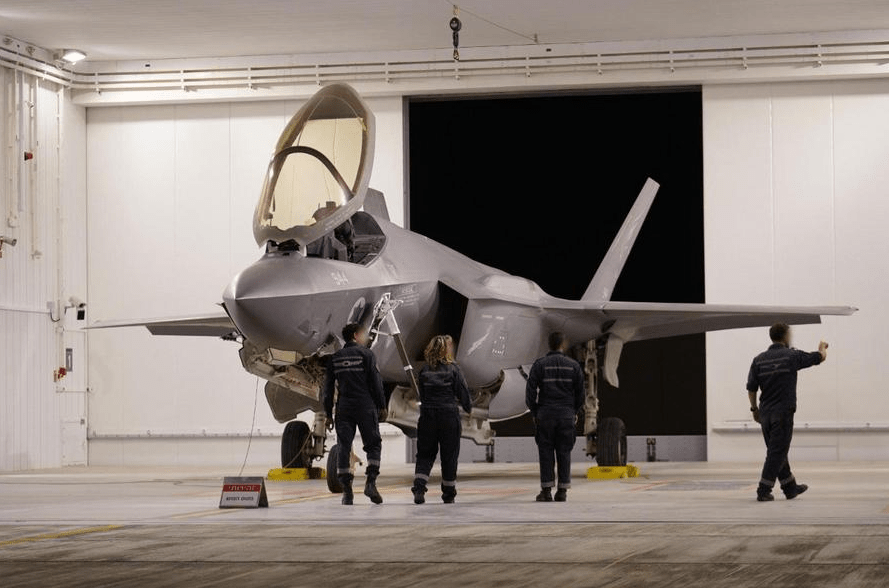

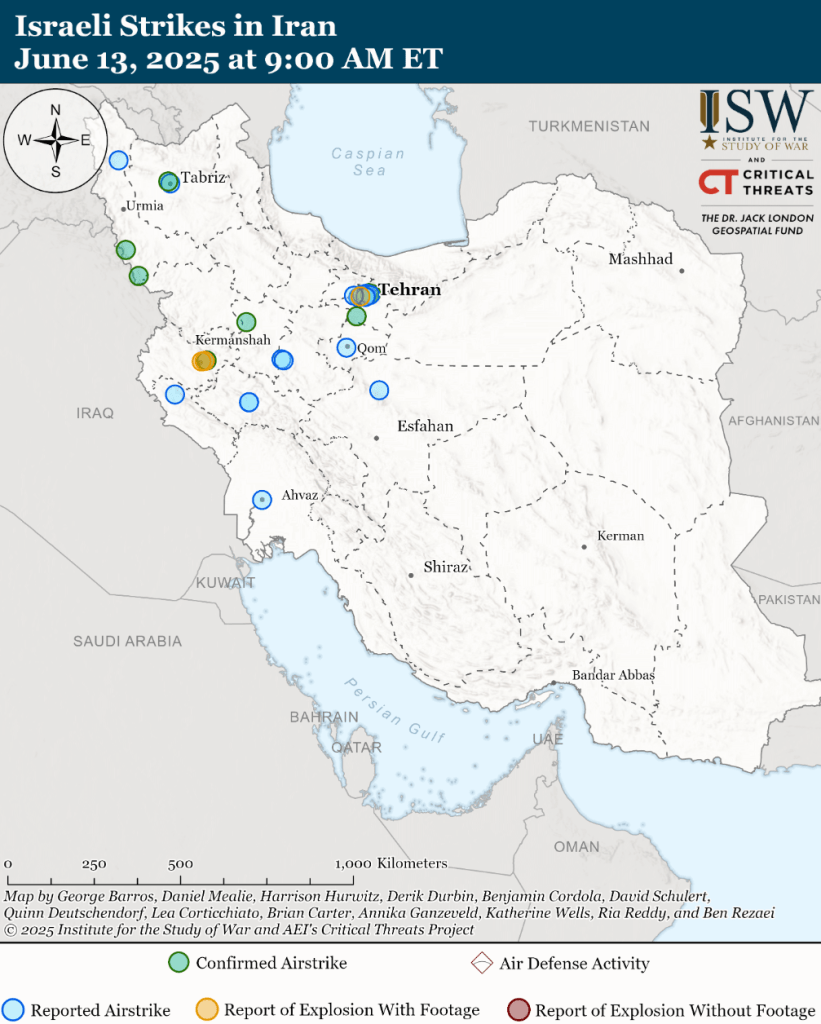
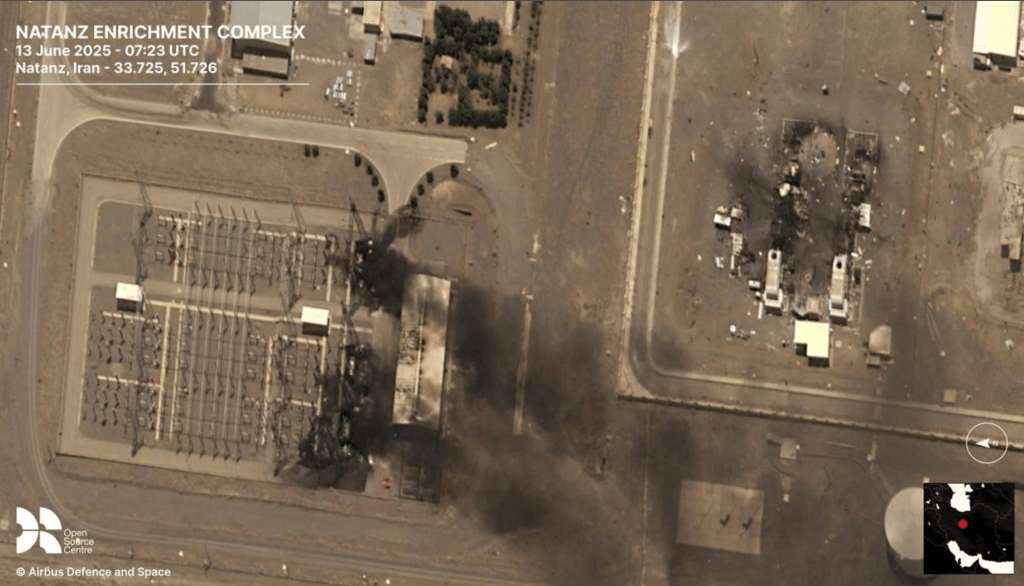
In the early hours of 13 June 2025, Israel launched its most significant direct assault on Iran in modern history. Codenamed Operation Rising Lion, the campaign marked a sharp turn in the long-running covert conflict between the two states. Israeli fighter jets struck over 100 targets across Iranian territory, including the nuclear enrichment facility at Natanz, missile depots in Kermanshah, and command nodes in Tehran. Multiple senior Iranian commanders and nuclear scientists were reportedly killed. The operation is a dramatic escalation in regional tensions, with serious implications for Middle East stability and global nuclear nonproliferation efforts.
Striking the Core
Israel’s operation was expansive and precise. It targeted critical military infrastructure and nuclear development facilities, including hardened underground sites. Among the dead are reported high-ranking IRGC figures and prominent nuclear experts like Hossein Salami, Ali Shamkhani, and Mohammad Bagheri, a dual strategy of infrastructure disruption and leadership decapitation.

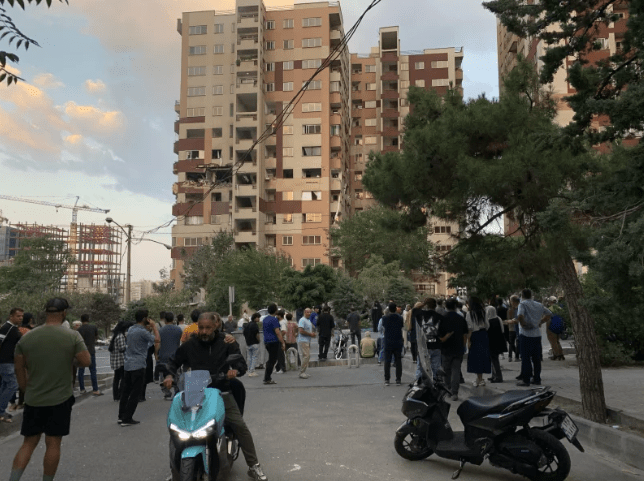
The strikes hit deep into Iran, including Tehran itself, a rare and provocative step. Civilian areas adjacent to some targets were also impacted, compounding the psychological effect and raising the stakes for potential retaliation.
Iran’s Response
Iran responded with over 100 drones launched toward Israel with most being intercepted. While less escalatory than a ballistic missile barrage, the drone response shows Iran’s intent to retaliate while avoiding immediate full-scale war. Tehran has declared the attack a “declaration of war” and vowed further action.
Iranian leaders are faced with a strategic dilemma. They must respond forcefully enough to maintain domestic and regional credibility but avoid a retaliation so severe that it draws Israel (and potentially the US) into a broader war. Whether Iran resorts to cyberattacks, asymmetric proxy warfare, or more direct missile retaliation remains to be seen.
Regional Reverberations
This confrontation is already straining alliances and heightening regional volatility. Countries like Jordan and Iraq, whose airspace has been overflown by drones and missiles, find themselves increasingly entangled. Gulf states that recently normalized relations with Israel now face diplomatic whiplash, caught between their security partnerships and regional solidarity.
Oil prices have surged. International flight paths have shifted. And diplomatic channels, particularly around Iran’s nuclear program, have gone dark.
Most notably, this exchange shifts the regional deterrence calculus. Israel has shown it will not wait for diplomacy or rely on allies to neutralize existential threats. Iran, meanwhile, may reevaluate the value of nuclear ambiguity and instead pursue a more overt deterrent capability.
A Blow to Nonproliferation
The Israeli strikes have likely derailed any remaining diplomatic momentum around the Iran nuclear deal. Ongoing negotiations now appear suspended, and Iranian hardliners are almost certain to push for more aggressive nuclear development in response.
This crisis could have a ripple effect beyond Iran. Regional powers like Saudi Arabia and Turkey, long watching Iran’s trajectory with caution, may feel renewed pressure to pursue nuclear hedging strategies. If Tehran exits the NPT or halts IAEA inspections, it could trigger a broader crisis of confidence in the global nonproliferation regime.
The strategic irony here is that an operation intended on delaying or halting Iran’s nuclear progress may instead accelerate regional proliferation.
Strategic Outlook
Israel’s strikes have brought an enduring conflict into the open. Whether this confrontation stabilizes the region through deterrence or unleashes a cycle of retaliation depends on what comes next. For now, the situation remains volatile. What’s certain is that this event has reshaped the security landscape of the Middle East. The strike on Natanz seeks to redraw redline, testing thresholds, and redefining the future of deterrence in a region already teetering on the edge.
Let me know your thoughts.
Sources
https://www.aljazeera.com/news/2025/6/13/israel-attacksiran-what-we-know-so-far
https://www.npr.org/2025/06/13/nx-s1-5432437/israel-attacks-iran-retaliation-nuclear
https://www.aljazeera.com/news/2023/2/2/iran-blames-israel-for-isfahan-drone-attack
 The Security Brief
Leave a comment