


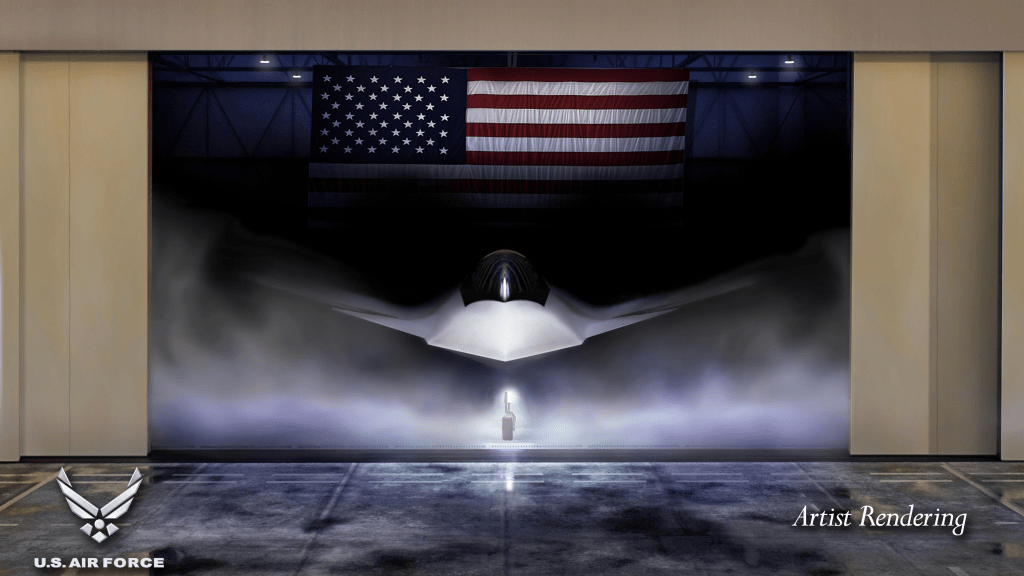
More than 3,200 union workers at Boeing’s fighter jet plants in the St. Louis area have rejected a new contract proposal, triggering a countdown to a possible strike starting 4 August. Boeing has attempted to downplay the risk, but the potential disruption carries broader consequences. These facilities support production of the F/A-18 Super Hornet, the T-7A Red Hawk, and the F-47 fighter; an aircraft tied to the Air Force’s next-generation air dominance (NGAD) strategy.

Strategic Implications for the Defense Sector
Supply Chain Fragility: A strike at Boeing could create upstream delays across the defense industrial base (DIB). Shared suppliers supporting multiple prime contractors may face scheduling conflicts, part shortages, or capacity shifts. This poses a risk to Boeing defense peers, which rely on a consistent flow of components for time-sensitive programs.
Labor Risk as an Industry Pressure Point: If the union secures a stronger contract, it may prompt similar labor movements elsewhere. Contractors managing fixed-price defense contracts will feel the pressure most, particularly those already dealing with narrow profit margins and tight delivery schedules.
Program Disruption Risk: The F-47 serves as a key stepping stone in the NGAD program. Delays in its production could affect milestone evaluations, budget cycles, or capability delivery timelines. The disruption would not be isolated to Boeing but could affect program participants and government planning across the board.
Competitive Repositioning: Boeing’s internal friction may create opportunity for competitors. A significant delay or loss of government confidence in Boeing’s delivery could lead to reallocation of roles or funding toward other firms positioned to absorb new responsibilities.
Analyst Comment
Labor disruption poses a broader risk to national defense planning. The tightly connected nature of the DIB means that even a localized strike can create delays across programs. High-priority efforts like NGAD, B-21, Sentinel, GPI, etc. operate on narrow timelines with little room for disruption. A breakdown at one contractor can ripple across the system and set capability development back.
This should trigger a serious conversation within the Department of Defense and across the DIB. Workforce continuity and human capital planning need to be prioritized at the same level as supply chain security and cybersecurity. The consequences of ignoring this risk are real.
References
 The Security Brief
Leave a comment