
Discover the latest security insights.
Weekly Threat Landscape: Thursday Roundup #3
This week’s reporting highlights a continued shift in adversary tradecraft toward indirect access, targeting edge networks, legacy infrastructure, and emerging technologies rather than hardened enterprise environments. From GRU router exploitation to Iranian ICS activity and evolving AI risks, attackers are prioritizing access paths that are harder to monitor and easier to exploit at scale. Russia:…

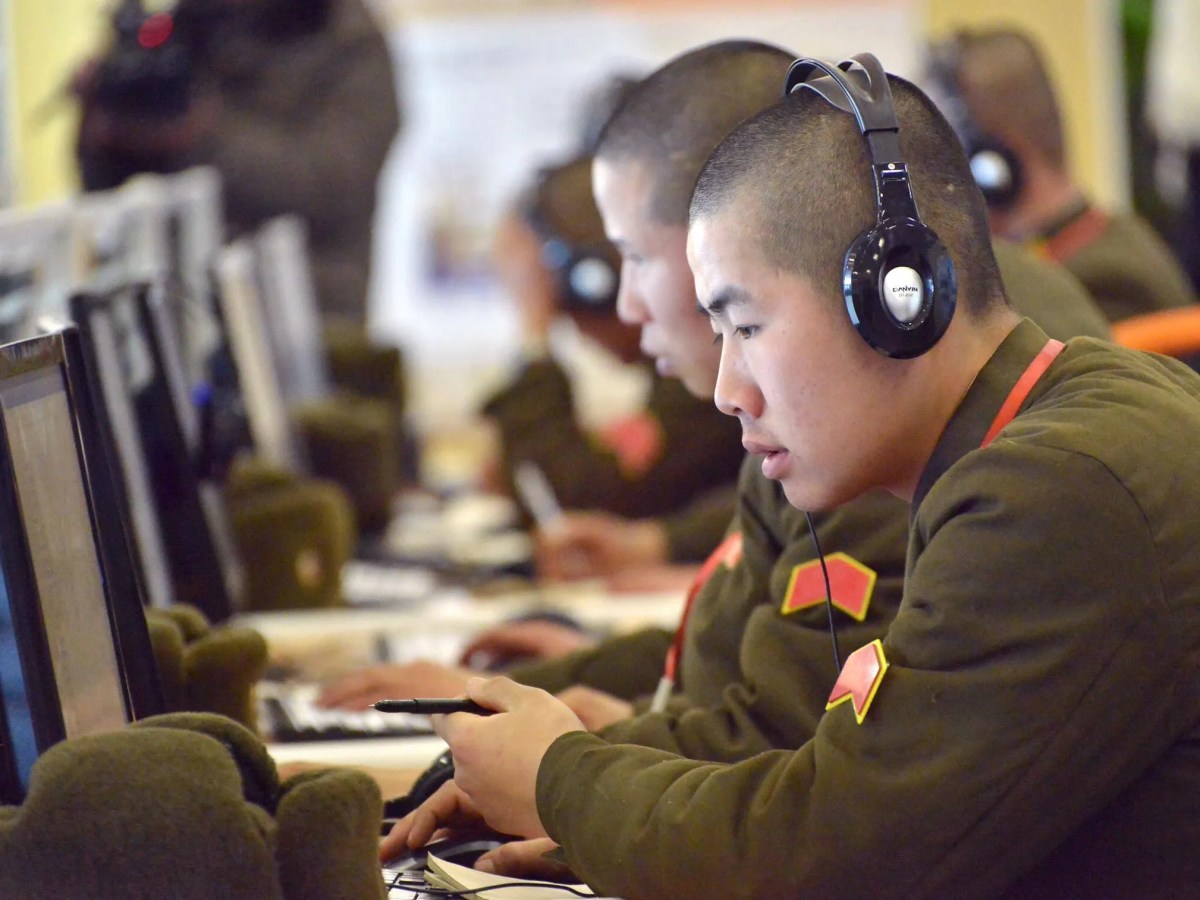
The Drift Compromise and North Korea’s Cyber Revenue Machine
Key Takeaways (tl;dr): Context North Korean cyber operations are often seen as isolated incidents, a crypto theft here, a phishing campaign there, but in reality, they function as a coordinated financial system. Recent reporting around the compromise of Drift Protocol suggests a broader pattern: DPRK-linked actors are conducting deliberate, long-term operations meant to generate revenue…
Weekly Threat Landscape: Thursday Roundup #2
This week’s roundup highlights state-sponsored cyber activity targeting government, critical infrastructure, and defense-related organizations, with a focus on strategic intent and geopolitical context. Israeli Authorities Report Surge in Data Wiping Attacks On 24 March 2026, Israeli authorities reported at least 50 data wiping attacks targeting organizations across the country, attributed to pro-Iranian and affiliated threat…
Weekly Threat Landscape: Thursday Roundup #1
This weekly roundup is meant to highlight key cyber and geopolitical developments observed over the past several days, focusing on activity the reflects the evolving tradecraft of adversaries, emerging risks, and broader trends shaping the threat landscape. It is intended for cyber threat intelligence analysts, security leaders, and national security professionals tracking where cyber operations…
Energy Leverage and Strategic Competition: Oil Disruptions and the Shifting US-China Balance
The global energy landscape in 2026 is shifting in ways that favor the United States in the short term. The US is now the world’s largest producer of oil and natural gas, while China remains the largest importer of energy. Recent disruptions to Venezuelan and Iranian oil flows have highlighted this difference and exposed vulnerabilities…
A Technical Post-Mortem of the Notepad++ Supply Chain Compromise
The modern software supply chain is built on a foundation of implicit trust; a trust that users and systems place in update mechanisms to deliver secure patches. When this trust is weaponized, the resulting compromise can bypass even the most robust perimeter defenses. Between June and December 2025, the Notepad++ project became the target of…
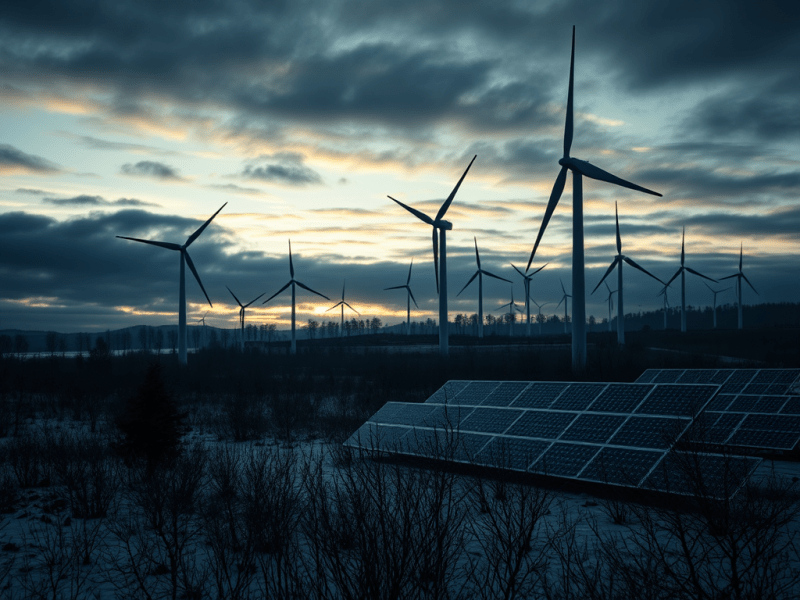
DynoWiper and the Polish Energy Sector
In late-December 2025, the Polish energy sector was targeted by a coordinated series of destructive cyberattacks using a new malware tracked as DynoWiper [1]. The operation affected over 30 renewable energy sites and a major combined heat and power plant during a period of extreme cold. Key Technical Observations: Attribution Discrepancy A fairly uncommon disagreement…
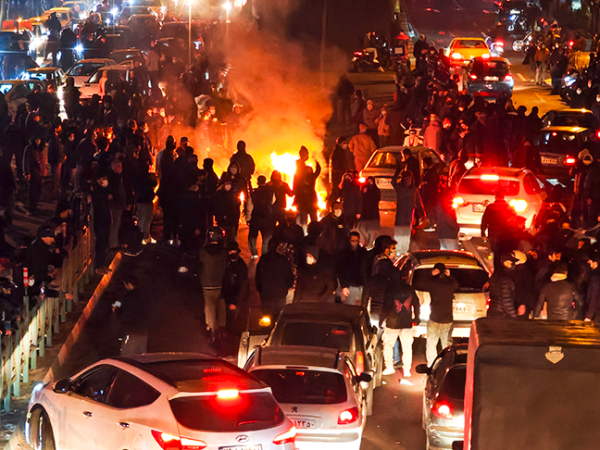
Iranian Hybrid Warfare: Internal Suppression and Transnational Influence Operations
BLUF: The Iranian regime is transitioning from reactive crisis management to a proactive digital isolation strategy to secure domestic stability. Recent breaches of state media and renewed civil unrest have accelerated plans for a “Barracks Internet,” while simultaneous offensive cyber operations and foreign influence campaigns indicate Tehran is increasingly weaponizing digital infrastructure to suppress dissent…

Impact of Maritime Conflicts on US Shipping Strategies in 2026
The maritime security environment in the Red Sea as of January 2026 represents a complex mixture of asymmetric warfare, regional power realignments, and structural shifts in global logistics. Following more than two years of sustained disruption started by the Houthi movement (Ansar Allah) the theater has transitioned from a localized conflict into a primary driver…
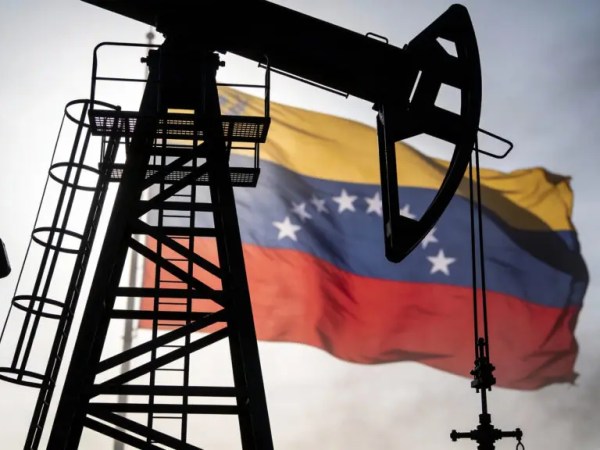
Venezuela’s Drug Trade and the Geopolitical Chessboard of Latin America
Venezuela’s Role in LATAM as a Narco-State Venezuela has increasingly become a narco-state where high-level officials enable drug trafficking to sustain their power. US authorities accuse Nicolas Maduro and his inner circle (dubbed “Cartel of the Suns”) of colluding with criminals to ship cocaine abroad. While not a traditional cartel hierarchy, this term best reflects…
Something went wrong. Please refresh the page and/or try again.
 The Security Brief